Written by Linda Torres — Nutrition & Menu Specialist.
Independent guide: PapaJohns-Menus.us is not affiliated with, sponsored by, or endorsed by Papa Johns International.
Quick answer: Papa Johns offers a gluten-free crust, but it is prepared in a shared restaurant environment. It may work for people reducing gluten by choice or managing mild sensitivity, but it is not the right option for celiac disease, severe gluten intolerance, or wheat allergy.
If you've ever searched "is Papa Johns gluten-free" right before ordering, you've probably noticed the answer isn't a simple yes or no — and that's honestly the most important thing to understand before you place an order. Papa Johns does offer a gluten-free crust, but there's a significant catch that a lot of menu sites either skip over or bury in fine print.
I have a background in nutrition science, and gluten sensitivity is something I get asked about more than almost anything else on this site. So I want to walk through this properly: what's actually available, who it's realistic for, and who should probably look elsewhere.
How I Approached This Guide
Before getting into specifics, here's the lens I used to put this together. I looked at three things: what gluten-free options actually exist on the menu, how Papa Johns describes the preparation process, and who this option is genuinely suitable for versus who it is not. I'm not a doctor, and nothing here replaces medical advice, but I do think gluten-free guides should be clear when cross-contact is part of the ordering reality.
For the most current official information, check Papa Johns' own nutrition and allergen information before ordering. Our broader Papa Johns nutrition guide is also useful if you are comparing calories, allergens, and ingredient notes across the menu.
The Gluten-Free Crust Option
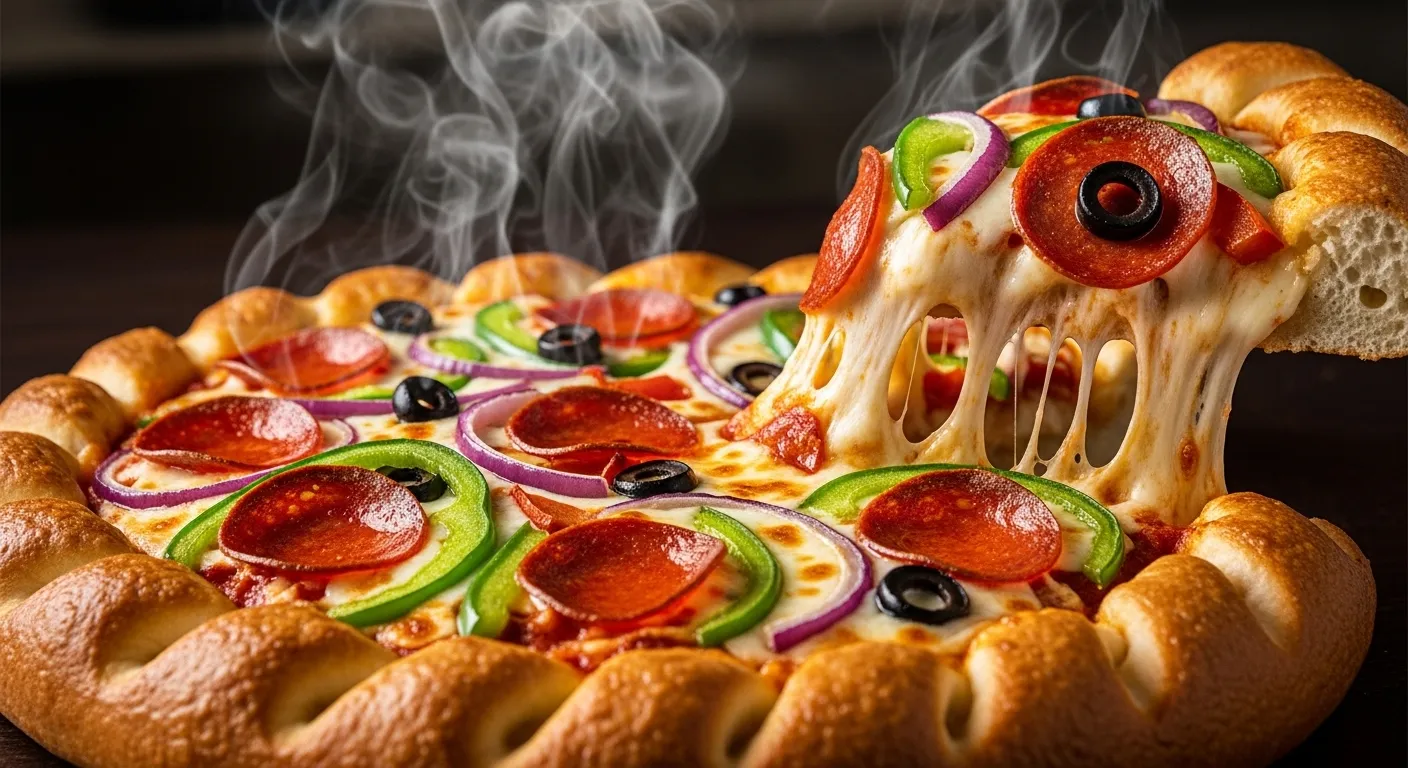
Papa Johns offers a gluten-free pizza crust made with a blend of ancient grains — sorghum, teff, amaranth, and quinoa. It is generally offered as a 12-inch medium crust, and it can come with an additional charge compared with regular crust. A Create Your Own Gluten-Free pizza with cheese often lands around the mid-teens, but the exact price depends on location, taxes, store pricing, and active deals.
In terms of calories, the gluten-free crust can be lighter than people expect. If you're tracking calories specifically, compare the final pizza in your local checkout cart rather than assuming every gluten-free build has the same nutrition profile. Cheese, sauce amount, meats, and extra toppings can change the final number quickly.
The Catch: Shared Kitchen Preparation
Here's the part that deserves more attention than it usually gets: a gluten-free crust is not the same thing as a dedicated gluten-free kitchen. Papa Johns restaurants also prepare regular wheat-based dough, and gluten-containing ingredients can be present around the same prep and bake environment.
What that means in practical terms is cross-contact with gluten is possible. Papa Johns has historically warned that the gluten-free crust is not recommended for people with celiac disease because of the shared kitchen environment. It is better understood as an option for people with general gluten sensitivity or those choosing to reduce gluten by preference, rather than for people who need strict medical gluten avoidance.
I think this is the single most important thing for anyone reading this to understand before ordering. If you or someone you're ordering for has celiac disease, severe gluten intolerance, or a wheat allergy, this is not a safe assumption to make from a website article. Verify directly with the restaurant and your clinician.
Who This Option Actually Makes Sense For
Based on how Papa Johns describes its process, here's roughly how I'd break down who this is realistic for:
Good fit: People managing general gluten sensitivity, people following a reduced-gluten diet by choice, or households where one person wants a gluten-free-style option but strict cross-contact prevention is not medically necessary.
Not a good fit: Anyone with diagnosed celiac disease, severe gluten intolerance where small exposure causes symptoms, or wheat allergies. Wheat allergy is a separate issue from gluten sensitivity, but it often gets grouped together online. For allergy situations, cross-contact matters.
If you fall into that second category, I would look for a dedicated gluten-free restaurant or a pizza place with a separate gluten-free prep protocol. Papa Johns is not positioned as that kind of dedicated environment.
What to Ask Before You Order
If gluten exposure matters to you, call the store before ordering and ask clear, specific questions. Vague questions like "is it gluten-free?" can get vague answers. Better questions include:
- Is the gluten-free crust handled separately from regular dough?
- Are separate cutters, pans, screens, or gloves used for gluten-free orders?
- Is the gluten-free pizza baked in the same oven as regular crust pizzas?
- Can the team reduce cross-contact during slower hours?
- Do any sauces or toppings in my build contain wheat or gluten ingredients?
If the staff cannot answer confidently, that is useful information too. For medical dietary restrictions, uncertainty should count as a reason to skip.
What to Actually Order If You're Going Gluten-Free Here
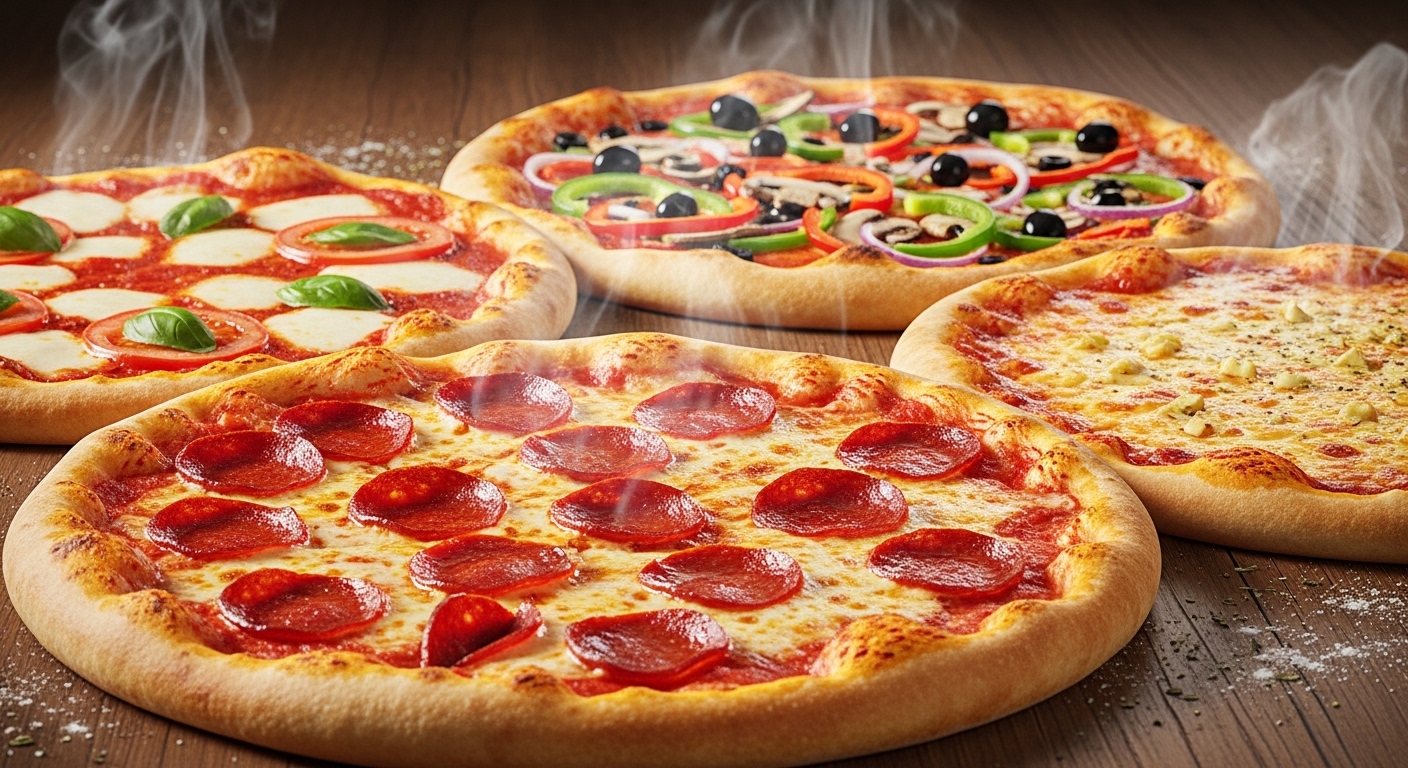
If the gluten-free crust works for your situation, keep the build simple. A cheese or pepperoni gluten-free pizza is usually the most straightforward choice because there are fewer sauces and toppings to verify. Specialty pizzas with multiple sauces, meats, and layered toppings create more ingredient questions.
Most standard toppings like pepperoni, sausage, vegetables, and cheese may not introduce gluten on their own, but recipes and supplier information can change. Always verify specialty sauces and limited-time ingredients before ordering.
If you want a simple comparison point before ordering, our pepperoni pizza guide and cheese pizza guide can help you compare standard menu options. For broader allergen context, start with the nutrition guide.
Comparing Gluten-Free Crust to Regular Crust
| Gluten-Free Crust | Original Crust | |
|---|---|---|
| Available Sizes | Usually medium (12") only | Small, Medium, Large, XL |
| Approx. Calories | Varies by build; often lighter than original crust | Varies by size and toppings |
| Additional Cost | Often around +$2.00 | No gluten-free upcharge |
| Prep Environment | Shared restaurant environment | Shared restaurant environment |
| Suitable for Celiac Disease | Not recommended | No |
Unique Value: My Practical Ordering Rule
My practical rule is simple: if gluten avoidance is a preference, Papa Johns gluten-free crust can be a workable option. If gluten avoidance is medical, treat Papa Johns as a high cross-contact environment unless your local store gives you clear, specific, current answers that match your healthcare needs.
For families ordering together, one possible compromise is to order the gluten-free crust for the person reducing gluten and keep the rest of the order separate at the table. That does not solve restaurant cross-contact, but it can reduce additional contact after pickup or delivery.
A Note on Asking Your Local Store
Preparation practices can vary store to store, especially during busy dinner periods. If gluten exposure is a serious concern, call your local location directly and ask how they handle gluten-free orders during prep. Most staff are used to getting this question and can walk you through what they can and cannot do.
You can use the Papa Johns store locator to find your local restaurant before calling.
The Bottom Line
Papa Johns' gluten-free crust is a real menu option, and for some people managing general sensitivity or reducing gluten by choice, it may work just fine. But it is not a substitute for a dedicated gluten-free kitchen. If you have celiac disease, severe gluten intolerance, or a wheat allergy, I would treat this as a skip unless your doctor and the local store both give you confidence.
For everyone else, the medium gluten-free cheese or pepperoni pizza is the simplest place to start. Keep the build straightforward, verify ingredients, and do not rely on a gluten-free crust label alone if cross-contact matters to your health.
This article is for general informational purposes and is not medical advice. If you have celiac disease, a severe food allergy, or any medical dietary restriction, please consult your doctor and verify directly with the restaurant before ordering.